
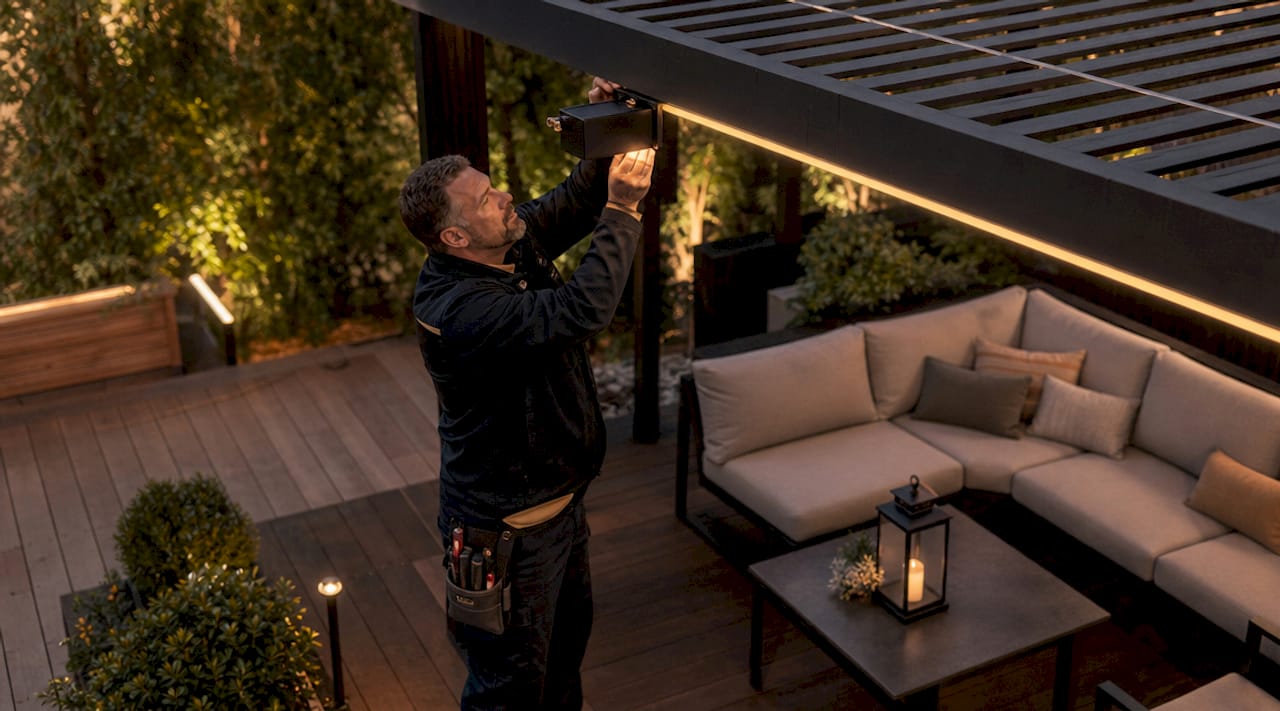
Custom lighting installation is the process of designing, engineering, and installing lighting solutions built specifically for a property’s unique spatial requirements, rather than selecting off-the-shelf fixtures. Unlike standard lighting, this approach treats every ceiling height, roofline angle, and architectural detail as a design variable. The result is a system that fits your space precisely and performs exactly as intended. Foreverglowlighting specializes in this process for Charlotte homeowners and property managers who want outdoor lighting that is both functional and visually striking year-round.
What is custom lighting installation and how does it work?
Custom lighting installation is defined as a tailored design and implementation process where fixtures are engineered to fit unique spatial constraints rather than selected from a standard product catalog. The industry term for this approach is “bespoke lighting,” though “custom lighting installation” is the phrase most homeowners use when searching for services. Both terms describe the same process: a professional assesses your space, designs a lighting plan around it, and installs a system built to match.

The process differs from standard lighting in one fundamental way. Standard fixtures are manufactured for the widest possible range of spaces. Custom fixtures are built for one specific space. That distinction drives every decision, from the fixture dimensions and finish to the wiring layout and control system.
Foreverglowlighting applies this process to outdoor residential and commercial properties in the Charlotte area. The systems are designed to sit flush with rooflines, blend into architectural features during the day, and deliver precise illumination at night. Technical proposals are typically provided within 3–5 business days of an initial consultation, which gives homeowners a clear picture of scope and cost before any work begins.
What are the typical phases of a custom lighting project?
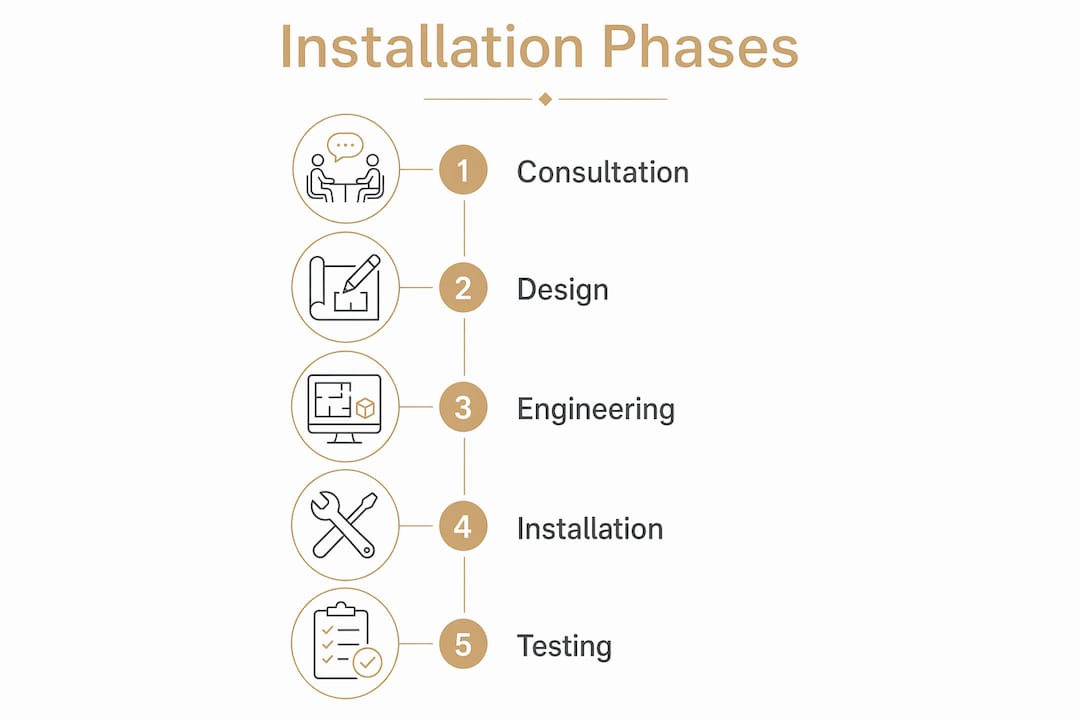
Residential custom lighting projects follow six defined phases, each building on the last. Understanding these phases helps you set realistic expectations for timeline, budget, and decision points.
- Initial consultation and walk-through. A lighting professional assesses the property, identifies architectural features, and discusses your goals for aesthetics, security, and functionality.
- Design and planning. The team creates a layout covering fixture placement, wiring routes, control zones, and fixture specifications. This phase determines the look and performance of the finished system.
- Rough-in wiring. Electricians run conduit and wire before walls or ceilings are closed in new construction. In retrofit projects, this phase involves fishing wires through finished walls, which requires careful planning to avoid damage.
- Fixture installation. Custom fixtures are mounted, connected, and positioned according to the approved design plan.
- Testing and commissioning. Each fixture and control zone is tested for correct output, color, and response. Smart systems are programmed and verified at this stage.
- Permitting and final inspection. A licensed inspector confirms the installation meets local electrical codes before the project is signed off.
Pro Tip: Locking in your lighting design before walls are closed saves significant labor cost. Retrofitting wiring into a finished home is labor-intensive and requires routing cables through existing walls, which adds time and expense to any project.
Commercial projects follow a similar sequence but add stages like 3D rendering, engineering validation, and prototype approval before production begins. Providers typically supply physical samples and full photometric data before a full manufacturing run, which protects against costly errors at scale.
How does custom lighting differ from standard lighting setups?
The core difference is specificity. Standard lighting is designed to work adequately in most spaces. Custom lighting is designed to work perfectly in one space. That gap in precision shows up across every aspect of the project.
| Feature | Custom lighting | Standard lighting |
|---|---|---|
| Fixture design | Built to exact dimensions and finish | Selected from fixed catalog options |
| Control integration | Designed at manufacture (DALI, DMX, Zigbee) | Added as an afterthought via adapters |
| Architectural fit | Adapts to unique ceiling heights and surfaces | Assumes standard ceiling and wall conditions |
| Glare and optics | Engineered for specific light quality targets | Generic beam angles and output levels |
| Lead time | Longer due to engineering and prototyping | Ready-made, ships immediately |
| Energy efficiency | Optimized for the specific application | Generalized efficiency ratings |
Custom fixtures adapt to unique ceiling heights, surface textures, and desired light quality, which means production timelines are longer than mass-market alternatives. That lead time is the trade-off for precision. Homeowners who plan ahead benefit from a system that performs exactly as designed from day one.
Bespoke lighting also controls glare and energy use more effectively than standard fixtures because the optics are engineered for the specific application. A standard floodlight scatters light broadly. A custom fixture directs it precisely where it is needed, reducing waste and improving visual comfort.
What technical considerations matter most for a successful installation?
Precision in the planning phase determines whether a custom lighting project succeeds or fails. Vague project briefs lead to costly revisions and delays. A detailed brief that specifies dimensional tolerances, finish requirements, and photometric targets gives the installation team everything they need to execute without guesswork.
The most critical technical factors to address before installation begins:
- Photometric data. Confirm the light output, color temperature, and beam angle for each fixture location. This data drives fixture selection and placement.
- Wiring schematics. Map every circuit, switch location, and control zone before rough-in begins. Changes after walls are closed are expensive.
- Control system protocol. Decide early whether the system will use DALI, DMX, or Zigbee for smart control. Each protocol has different wiring and hardware requirements that affect the rough-in plan.
- Retrofit wiring routes. In finished homes, fishing wires through walls requires a strategic plan for cable routes and junction points to minimize wall damage.
- Aesthetic integration. Confirm how fixtures will appear during daylight hours. Foreverglowlighting’s roofline systems are designed to be invisible by day, which requires precise mounting and color-matching to the home’s exterior.
Lighting should be integrated at the earliest possible stage of a design or renovation project. When lighting is treated as an afterthought, the result is compromises: fixtures that don’t fit the space, wiring that disrupts finished surfaces, and control systems that feel bolted on rather than built in.
Pro Tip: Bring your lighting professional into the project at the design stage, not after construction decisions are made. Early collaboration with your electrician and designer prevents the most common and costly revisions.
Advances in digital fabrication and programmable LED systems have made smart control integration more accessible than it was a decade ago. Occupancy detection, ambient light sensors, and app-based scheduling are now designed into custom systems at the manufacturing stage, not added later through workarounds.
How can homeowners plan and budget for a custom lighting project?
Planning a custom lighting installation requires decisions across four areas: scope, professional selection, budget, and timeline. Getting clear on each area before the first consultation saves time and prevents surprises.
Scope and feasibility. Define what you want the lighting to accomplish. Security, curb appeal, holiday displays, and architectural accents each have different fixture and wiring requirements. A professional landscape lighting design assessment identifies what is feasible for your property and what the installation will involve.
Selecting professionals. Choose a licensed electrician or lighting contractor with documented experience in custom residential or commercial installations. Ask to see completed projects similar to yours. Foreverglowlighting provides project examples for both residential landscape lighting and commercial exterior installations.
Cost factors. Custom lighting costs more than standard installations because of design time, custom manufacturing, and skilled labor. The main cost drivers are design complexity, fixture type, and installation challenges such as retrofit wiring in finished walls.
Timeline. Custom fixtures require engineering and assembly lead time. Factor this into your project schedule, especially if you have a deadline such as a holiday season or a property listing date.
A practical planning checklist for homeowners:
- Confirm your goals: security, aesthetics, seasonal displays, or all three
- Set a realistic budget that includes design, fixtures, wiring, and permits
- Request a written proposal with photometric specifications
- Verify the contractor holds the required electrical license for your state
- Confirm permit requirements with your local building department
- Ask for a project timeline that accounts for custom manufacturing lead time
- Plan for a final inspection before considering the project complete
Landscape lighting safety benefits extend beyond aesthetics. Well-placed exterior lighting reduces hiding spots, increases visibility around entry points, and supports security camera coverage. These functional benefits add measurable value to a property beyond the visual improvement.
Key Takeaways
Custom lighting installation delivers precise, purpose-built results that standard off-the-shelf fixtures cannot match, provided the project is planned with detailed briefs, early professional involvement, and a realistic timeline.
| Point | Details |
|---|---|
| Definition is specific | Custom lighting is engineered for one space, not adapted from a standard catalog. |
| Six phases define the process | Consultation, design, rough-in, installation, testing, and inspection are all required steps. |
| Planning prevents cost overruns | Vague briefs cause revisions; precise photometric targets and wiring schematics prevent them. |
| Smart controls need early decisions | Protocols like DALI, DMX, and Zigbee must be chosen before rough-in wiring begins. |
| Timeline is longer by design | Custom manufacturing adds lead time that homeowners must build into their project schedule. |
Why lighting deserves to be the first decision, not the last
Lighting is treated as a finishing detail on most home projects. That is the single most expensive mistake I see homeowners make. By the time a contractor is asked about lighting, the walls are closed, the ceiling is finished, and the architectural features are locked in. The result is a system that works around the space instead of working with it.
The projects that turn out best are the ones where lighting was part of the conversation from day one. When you decide on fixture placement before drywall goes up, you get clean wiring, proper control zones, and fixtures that sit exactly where they need to be. When you decide after, you pay for fishing wires, patching walls, and compromises that are visible every night.
The technology side of this has genuinely changed. Programmable LED systems with app-based control, occupancy sensors, and millions of color options used to be expensive specialty products. They are now standard in well-designed custom installations. That shift means homeowners can get a system that responds to their schedule, their security needs, and their aesthetic preferences without paying a premium for basic intelligence.
My honest recommendation: treat lighting as a design element with the same weight as flooring or cabinetry. It shapes how a space looks and feels every hour of the day. A well-executed custom installation from a team like Foreverglowlighting does not just add light. It changes how your property reads from the street, how safe it feels at night, and how much you enjoy being in it.
— Dave
Foreverglowlighting’s approach to custom outdoor lighting
Foreverglowlighting brings the full custom lighting installation process to Charlotte homeowners and property managers, from initial design consultation through final inspection.
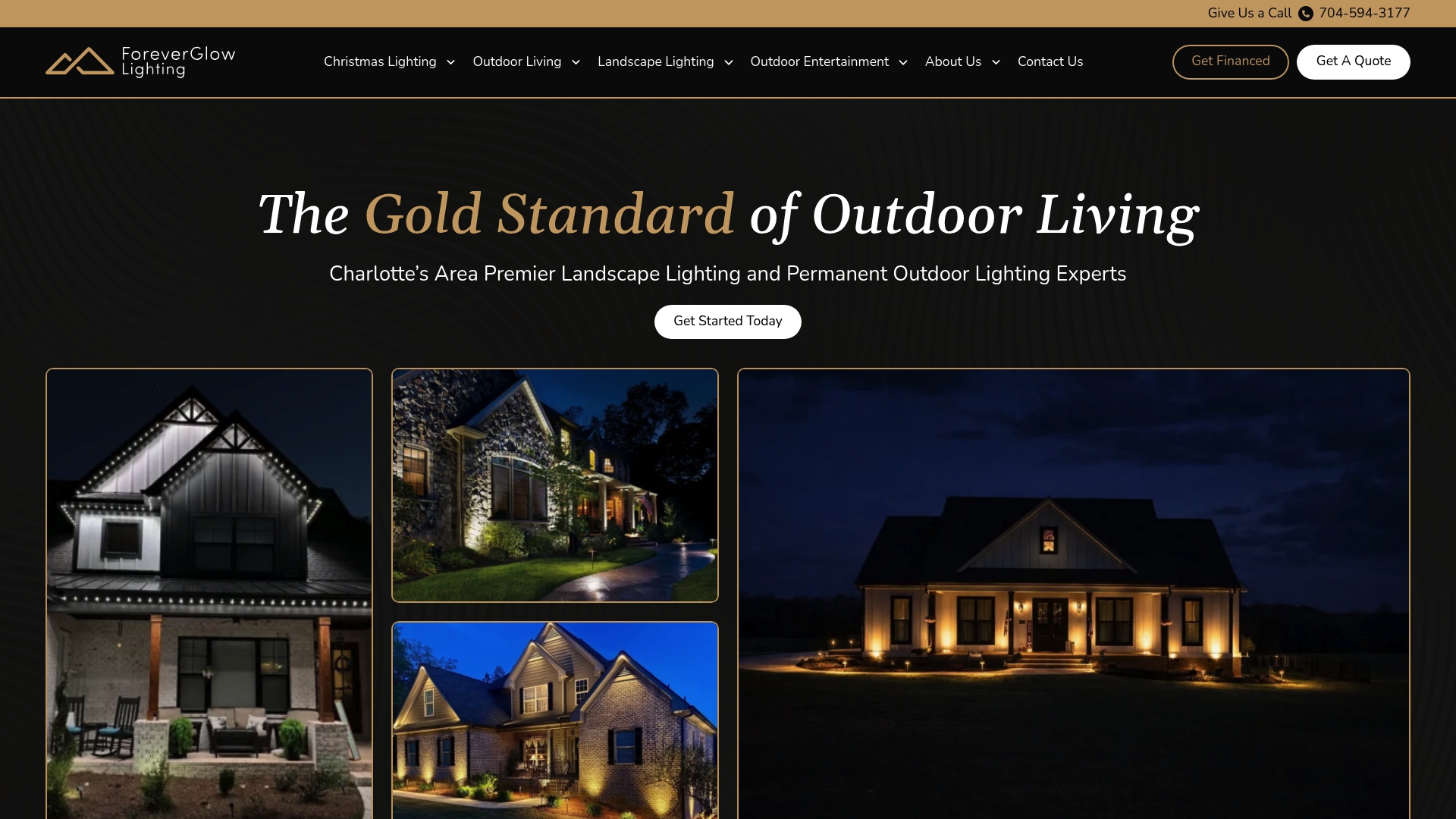
The team specializes in permanent LED systems that mount flush to rooflines and architectural features, staying invisible during the day and delivering precise illumination at night. Whether the goal is custom landscape lighting, architectural accents, or permanent holiday displays, every system is designed around the specific property. Smartphone control, color programming, and scheduling are built into each installation. Contact Foreverglowlighting for a free estimate and see what a purpose-built lighting system looks like on your property.
FAQ
What is custom lighting installation?
Custom lighting installation is the process of designing, engineering, and installing fixtures built specifically for a property’s spatial requirements. It differs from standard lighting in that every component is specified for the exact space rather than selected from a general catalog.
How long does a custom lighting installation take?
Timeline varies by project scope, but custom fixtures require engineering and assembly lead time beyond what standard installations need. Homeowners should build this lead time into their project schedule, especially for retrofit projects involving finished walls.
What smart control options work with custom lighting systems?
Custom lighting systems commonly integrate protocols like DALI, DMX, and Zigbee for smart control. These allow app-based scheduling, voice control, occupancy detection, and ambient light sensing, all designed into the system at manufacture rather than added later.
Do I need a permit for a custom lighting installation?
Most custom lighting installations that involve new electrical circuits require a permit and final inspection by a licensed inspector. Requirements vary by municipality, so confirm with your local building department before work begins.
How does custom lighting add value to a residential property?
Custom lighting improves curb appeal, supports security by eliminating dark areas around entry points, and creates consistent exterior aesthetics year-round. These functional and visual benefits contribute to perceived and measurable property value.