
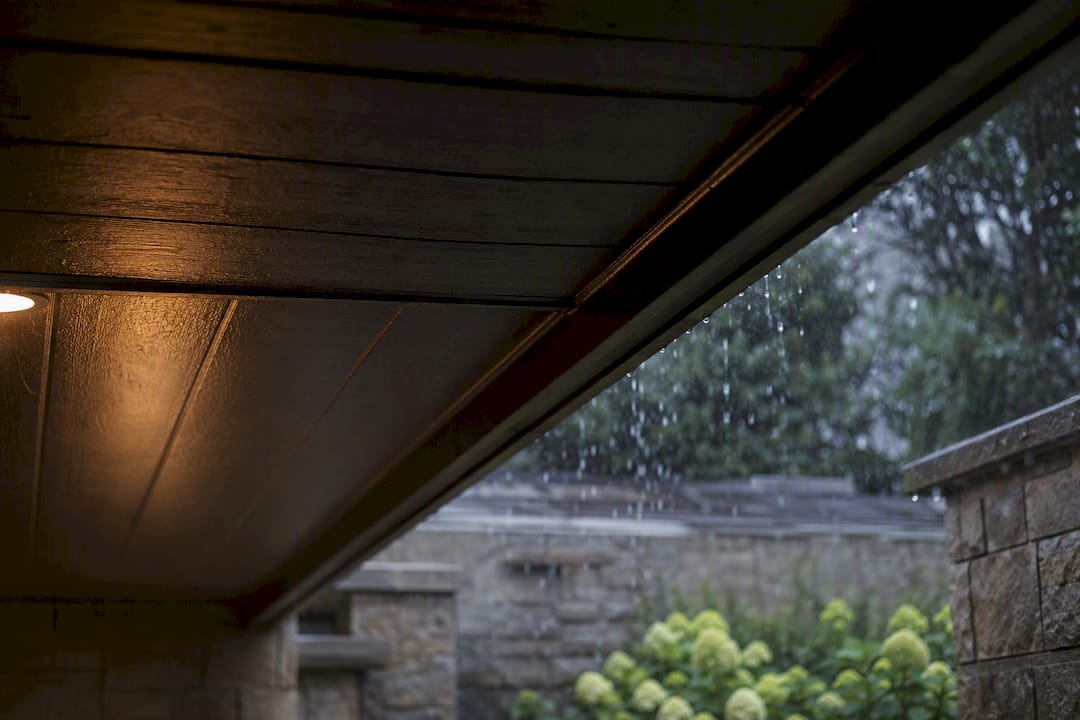
Damp locations get exposed to moisture and condensation but never direct water contact. Wet locations face direct exposure, splashing, or possible saturation. The practical rule: if rain, spray, wind-driven moisture, or standing water could reach the fixture, install wet-rated equipment. The NEC and UL listings decide which rating applies, and wet-rated fixtures always work in damp locations, though the reverse is never true.
TL;DR:
- Wet-rated fixtures rely on sealing, gaskets, and corrosion resistance to withstand direct water contact, unlike damp-rated fixtures which only resist moderate humidity.
- Install wet-rated equipment on exposed exterior walls, open patios, docks, or areas with potential for standing water or even brief immersion to ensure safety and durability.
- Check that receptacles labeled “WR” have extra-duty covers and fully hinged covers open at least 90 degrees, especially near ground level or in high-moisture zones.
- Using damp-rated fixtures in wet locations or wet-rated fixtures in damp locations can lead to corrosion, condensation issues, or failed inspections, increasing future repair costs.
- Borderline or open exposure areas should default to wet-rated hardware since the small additional expense saves time, money, and common installation errors later.
Table of Contents
- What Is a Damp Location, and When Does That Rating Work?
- What Is a Wet Location, and Why Does It Demand a Wet Rating?
- Key Practical Differences to Check Before You Buy or Install
- Codes and Standards: NEC, UL/ETL, and What Inspectors Check
- Typical Applications: Classifying the Spots That Trip People Up
- How to Choose: A Checklist for Homeowners and Installers
- Installer Insights: What Correct Ratings Actually Prevent
- Why Pros Default to Wet-Rated When a Location Sits on the Line
- How Forever Glow Lighting Handles Wet and Damp Installations
- Where to Verify the Code Language Yourself
- Sources
- FAQ
What Is a Damp Location, and When Does That Rating Work?
A damp location is protected from weather but still exposed to moderate moisture, like condensation or humidity that never turns into direct contact with water. The NEC and UL treat these spaces as a middle tier: not sealed off from moisture entirely, but not soaked either.
Damp-rated fixtures reflect that middle ground in how they’re built. Housings resist corrosion and humidity but usually lack the full gasket seals and sealed lens assemblies that wet-rated products carry. That construction difference is why a damp fixture left out in open rain will fail years before a wet-rated one would.
Common damp locations include:
- Covered porches with a true overhang that blocks wind-driven rain
- Soffits mounted well back from the roof edge
- Basements with no history of standing water or flooding
- Bathrooms outside the direct shower splash zone
- Enclosed breeze ways and mud rooms with ventilation but no rain exposure
What Is a Wet Location, and Why Does It Demand a Wet Rating?
A wet location involves direct exposure to water, saturation, or even the possibility of temporary immersion. That’s a categorically different demand than the moisture damp locations deal with, and manufacturers build wet-rated products accordingly.
Wet-rated fixtures rely on gaskets, fully sealed enclosures, and hardware upgraded to resist corrosion under repeated soaking. Receptacles in wet locations need extra-duty in-use covers that stay weatherproof whether or not a plug is inserted, a detail that trips up a lot of DIY installs.
Typical wet locations include:
- Exposed exterior walls with no overhang protection
- Open patios, decks, and uncovered walkways
- Docks, seawalls, and other waterfront structures
- Poolside decks and vehicle wash bays
- Fixtures mounted in or near earth-contact concrete
Key Practical Differences to Check Before You Buy or Install
The label on the box or fixture body tells you almost everything you need to know, if you know what to look for. Manufacturers print “Suitable for Wet Locations” or “Suitable for Damp Locations” directly on UL or ETL-listed products, and receptacles carry a “WR” designation for weather-resistant construction.
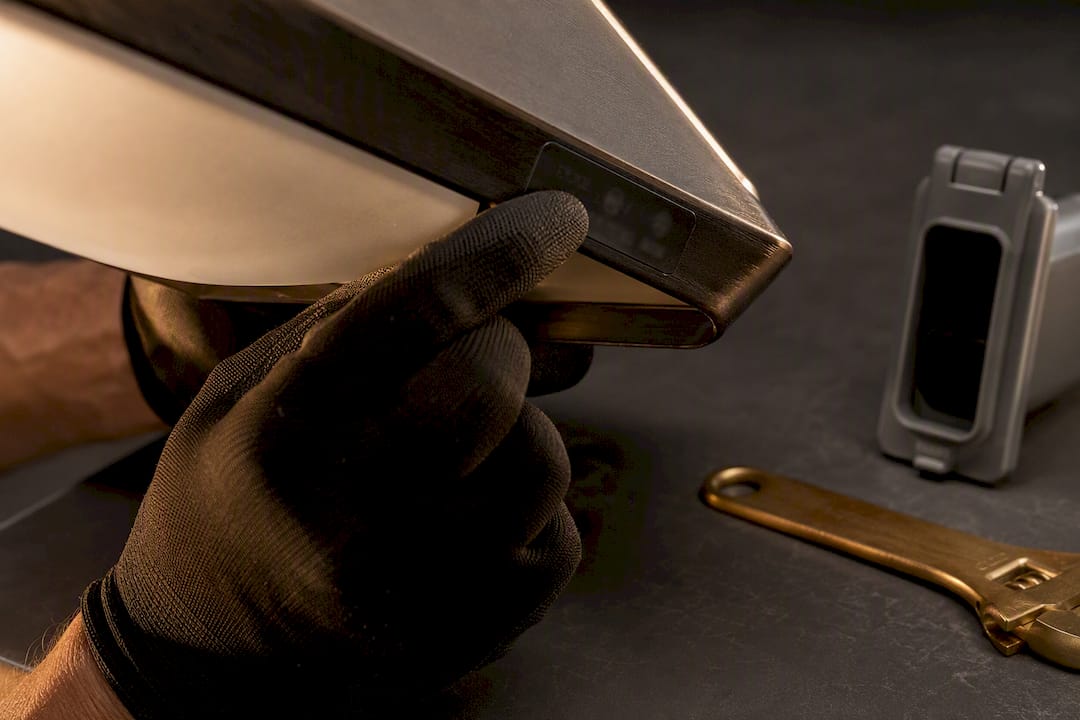
Sealing quality is the real story behind those labels. A gasketed, fully enclosed fixture handles years of direct rain; a damp-rated housing with open vents will start corroding the first season it gets soaked. IP and NEMA ratings correlate loosely with these classifications, but the NEC/UL wet-damp-dry system is what inspectors actually check against.
A few things worth confirming before you sign off on any purchase:
- The listing language matches the install location exactly, not “close enough”
- Outdoor receptacles have extra-duty covers, not standard flip lids
- Hinged covers on receptacles open to at least 90 degrees once installed, a requirement the 2023 NEC updates added after inspectors kept finding covers blocked by short conduit nipples
- Wet-rated fixtures get used in damp locations freely, but damp-rated fixtures never go in wet locations, full stop
Pro Tip: Keep the fixture’s spec sheet or box until after your final inspection. Inspectors sometimes ask for listing documentation on the spot, and a photo of the label saves a callback.
Codes and Standards: NEC, UL/ETL, and What Inspectors Check
NEC Article 100 defines the three location categories, wet, damp, and dry, and Section 406.9 spells out receptacle-specific requirements that trip up more installs than any other clause in this part of the code.
- Damp-location receptacles need enclosures that stay weatherproof when the cover is closed, plus hinged covers that open at minimum 90 degrees.
- Wet-location receptacles must stay weatherproof both with a plug inserted and without one, which is why extra-duty outlet box hoods are required rather than optional.
- Luminaires must carry UL or ETL listing specific to the location; a fixture rated only for damp use has no path to compliance in a wet-rated spot.
- When mounting near ground level, check for a marking confirming the fixture was tested for mounting within 4 feet of grade, a detail that matters for bollards and pathway lights.
The practical takeaway for contractors: when a location sits close to the line, specifying wet-rated hardware avoids a failed inspection and the corrosion that shows up two winters later.
Typical Applications: Classifying the Spots That Trip People Up
Overhang depth decides more classifications than any other single factor. A porch with a deep, true roof overhang usually qualifies as damp, while the same porch with a shallow eave that lets wind-driven rain reach the wall gets treated as wet. Inspectors apply a simple threshold: if blown rain or runoff can physically reach the device, it’s wet, regardless of how the space looks on paper.
Bathrooms follow their own zone rules. Fixtures mounted within 3 feet horizontally or directly above a showerhead need a wet rating; fixtures outside that zone can often use damp-rated hardware.
-
Covered decks and pathways: mounting height and splash exposure both matter, not just roof coverage
-
Landscape beds near sprinkler heads: treat as wet if irrigation regularly reaches the fixture
-
Docks, pools, and washdown bays: always wet, no exceptions worth debating
How to Choose: A Checklist for Homeowners and Installers
Work through this in order, and the right rating becomes obvious faster than cross-referencing spec sheets.
- Ask the exposure question first. Could rain, spray, sprinkler overspray, or wind-driven moisture reach this fixture at any point in the year? If yes, wet-rated is the only acceptable answer.
- Check the label language exactly. “Suitable for wet locations” and “WR” on receptacle housings are non-negotiable; damp-only language on a fixture headed for open exposure is a mismatch waiting to fail.
- Verify wiring matches the environment. Standard NM cable, Romex, doesn’t belong in wet or damp locations; conductors rated for wet use, like THWN, or jacket types such as UF-B, are the correct call.
- Confirm installation details on site. Extra-duty covers, gasketed mounting, and proper hardware clearance all need eyes-on verification, not just a box check on a spec sheet.
- Call a professional for edge cases. Soffit fixtures near the roof edge, coastal corrosion exposure, or complex outdoor spotlight layouts are worth a second opinion before installation day.
Pro Tip: If you’re stuck between two ratings for the same spot, price out the wet-rated version first. The difference is usually smaller than the cost of one service call.
Installer Insights: What Correct Ratings Actually Prevent
Getting the rating wrong shows up as corrosion, condensation inside the housing, or a failed inspection, sometimes all three in the same season. Small details separate a fixture that lasts a decade from one that needs replacing after two winters.
- Never drill through gutters or fascia to route wiring; that opening becomes a permanent water path regardless of fixture rating
- Route cable runs so water can’t pool at low points in the conduit or track
- Choose marine-grade fixtures with sealed optics and corrosion-resistant finishes for docks, seawalls, and any coastal property
- Match connector hardware to the environment, since a damp-rated connector on a wet-rated fixture undermines the whole assembly
Contractor guidance covering driveway gate lighting projects shows how often exposure gets underestimated at the planning stage, not the installation stage.
Why Pros Default to Wet-Rated When a Location Sits on the Line
Borderline cases, a shallow soffit, an eave that might not fully block wind-driven rain, aren’t worth gambling on. The up-front cost difference between damp and wet-rated hardware is small. Corrosion, condensation buildup, and a callback six months later cost far more, in both dollars and trust. Specifying wet-rated whenever there’s real doubt isn’t overspending. It’s the choice that avoids replacing the same fixture twice.
— Dave
How Forever Glow Lighting Handles Wet and Damp Installations
Getting the rating right on paper is one thing. Getting it right on a roofline, a dock, or a covered porch, where overhang depth and wind direction change the calculation, is where experience earns its keep. Professional lighting installers design every permanent lighting installation around the actual exposure a fixture will face, not just its listed location on a spec sheet.

That means marine-grade hardware for waterfront and dock installations, properly sealed track systems for exposed rooflines, and damp-rated components only where true coverage actually protects them. Homeowners get a system engineered for the Carolinas’ weather rather than a one-size-fits-all fixture pulled off a shelf. If you’re planning a new permanent lighting installation or want an existing setup checked for the right ratings, request a free estimate and get a plan built around your property’s actual exposure, not a generic guess.
Where to Verify the Code Language Yourself
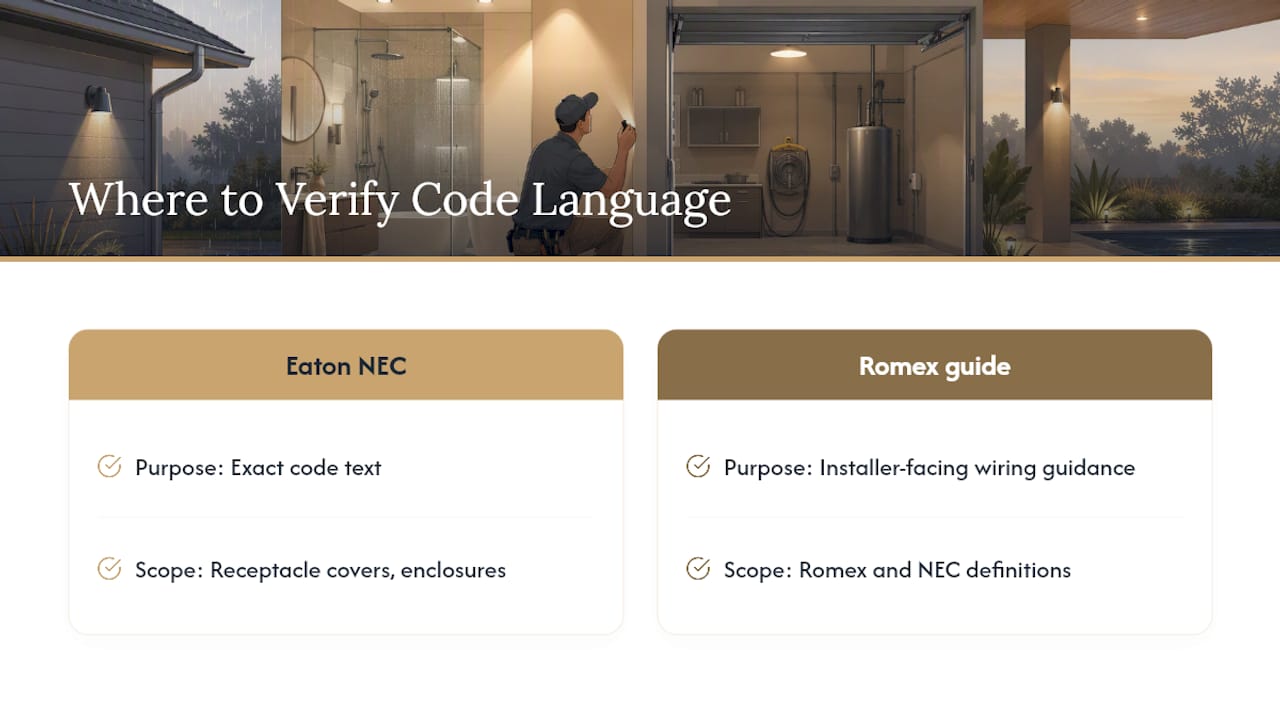
For exact code text on receptacle covers and enclosures, consult Eaton’s NEC 2023 recap. For installer-facing wiring guidance, see the Romex and NEC definitions guide.
Sources
- Eaton — NEC 2023 updates: Receptacles in damp or wet locations
- Mike Holt newsletter — NEC updates (2023) summary
- EC&M — Codes & standards: damp vs wet luminaires
FAQ
What does the NEC consider a wet location?
The NEC defines a wet location as any area with direct exposure to weather, saturation, or the potential for water immersion, including exposed exterior walls, docks, and open patios.
Can I run Romex in a damp or wet location?
No. Standard NM cable isn’t rated for damp or wet exposure; use conductors rated for wet locations, like THWN, or jacket types such as UF-B instead.
Is a basement considered a wet or damp location?
A basement without a history of standing water or flooding typically qualifies as damp; a basement that floods or has ongoing moisture intrusion should be treated as wet for wiring and fixture purposes.
Is a shower considered a wet or damp location?
Yes, showers are wet locations. Fixtures within 3 feet horizontally or directly above the showerhead must carry a wet rating, while fixtures outside that zone can often use damp-rated hardware.
Does Forever Glow Lighting handle wet and damp fixture selection?
Yes. Foreverglowlighting selects and installs fixtures matched to each property’s actual exposure, from covered porches to waterfront docks, as part of its custom lighting installations.